
Five international great ape seizures have occurred up to August this year, suggesting that demand for great apes in the exotic pet and private zoo industries is still strong. For every seizure, experts estimate up to 10 more succeed.
Egypt
In May, Egyptian authorities foiled an attempt by an Egyptian passenger to smuggle wildlife, including three infant chimpanzees and rare reptiles, through Cairo International Airport.
The General Organization for Veterinary Services said the animals were discovered during inspection of a passenger traveling to India, who was found carrying the chimpanzees under full sedation, along with 10 bags containing rare reptiles.
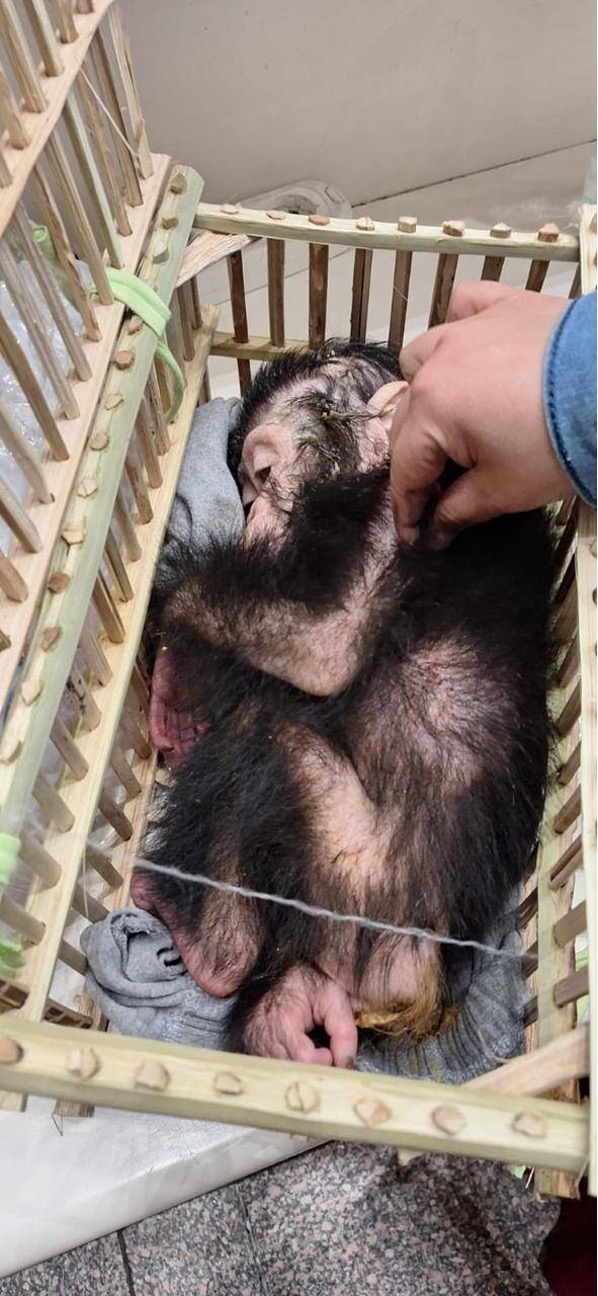
Agriculture Minister Alaa Farouk ordered veterinary care for the seized wildlife and their transfer under specialist supervision to ensure recovery. He also directed that they be placed at Alexandria Zoo as a secure facility equipped to provide appropriate care and living conditions, where they will remain under close veterinary observation.
Legal measures were taken against the passenger, who was referred to the relevant authorities for investigation, the ministry said.
In August, the General Authority for Veterinary Services, represented by the Wildlife and Veterinary Medicine Department at Cairo Airport, in cooperation and coordination with the relevant authorities, confiscated one chimpanzee in the Cairo International Airport.
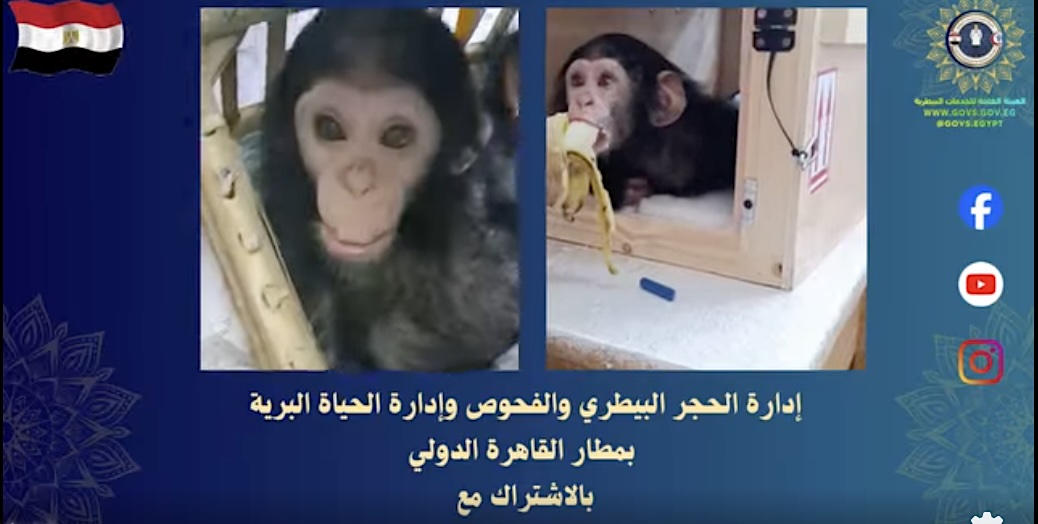
As with the three chimpanzees in May, it was transferred to the Alexandria Zoo, where the necessary veterinary and feeding care was provided, and it has been subjected to continuous monitoring and examination under the supervision of a team of veterinarians and specialists, ensuring its safety, health, and the suitability of the environment for it.
No information was provided in the government announcement of the seizure of the intended destination.
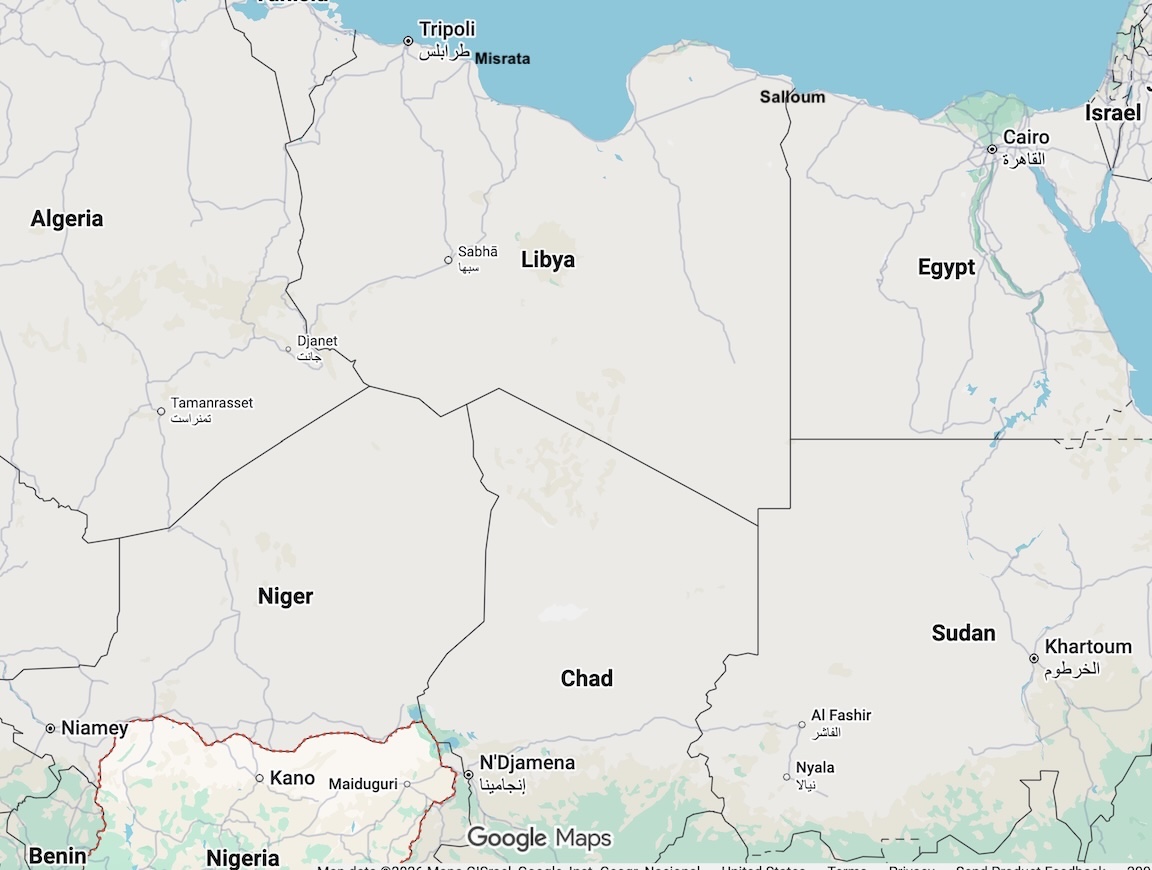
An Egyptian source known for over a decade who wishes to remain anonymous told PEGAS, “The chimp was first smuggled through Libya to the land border of Salloum – then to Egypt … using airlines to main big buyers destinations ..India and UAE”.
PEGAS suspected who the Libyan trafficker was and the source confirmed it. PEGAS asked, “You think more chimps are coming? Is the recent one connected with the three in May?”
The source repled, “Yes ..more are coming”.
Libya
On July 16 the Libyan Wildlife Trust posted a video on their Facebook page showing two infant gorillas and six baby chimpanzees in an old battered car. It was unclear from the text whether this was a seizure or not, but the Trust implored the authorities to investigate and put a stop to the trafficking. A comment by one observer stated that Libyans smuggle animals across the desert from Nigeria and Niger. The fate of the gorilla and chimp infants is unknown, but Libya is not known to have facilities for caring for seized wild animals.
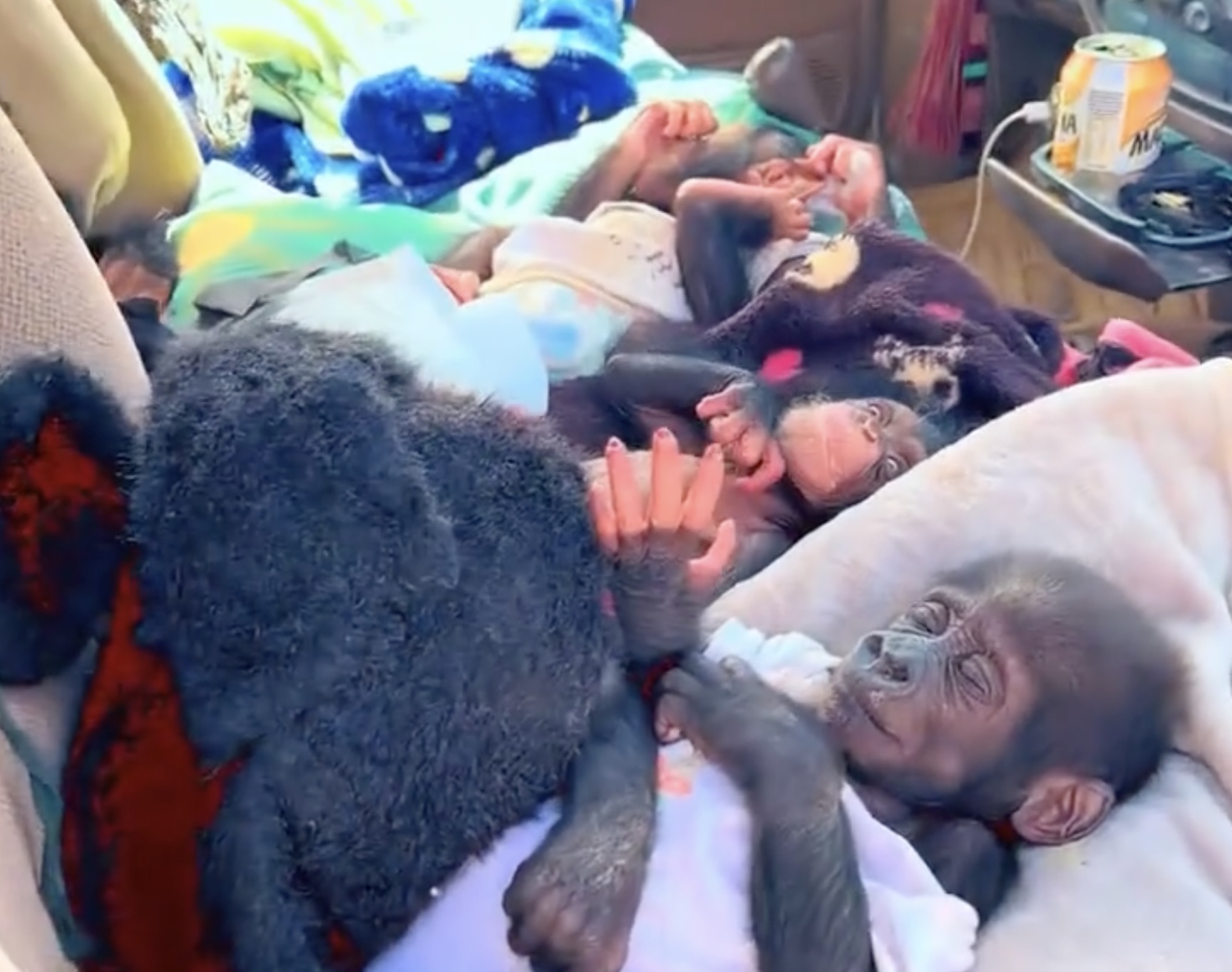
Were these part of the “more are coming” indicated by the Egyptian source?
Nigeria
A major live-wildlife trafficking consignment was intercepted in northern Nigeria on the evening of 25 August 2026, when officers from the Nigeria Customs Service (NCS) Kano/Jigawa Area Command, acting on credible intelligence they developed during a night patrol, intercepted a vehicle carrying the animals along the Daura-Kano road. It resulted in the seizure of 48 live animals, including four chimpanzees and two infant gorillas and the arrest of three suspects.
The road the vehicle was on a road north from Kano into Niger, a known smuggling route to Libya. The animals were possibly on their way to the Libyan trafficker involved in supplying the chimpanzees seized in Cairo in May and August, as the PEGAS anonymous source stated. PEGAS has evidence the Libyan has received great apes from Nigeria using this route previously. This is possibly the trafficker who was involved with the July incident described above.

The successful interdiction highlights the growing capacity of the Nigeria Customs Service to identify and disrupt wildlife trafficking, supported by its partnership with Focused Conservation and the specialized capabilities of the NCS Customs Intelligence Unit Special Wildlife Office.
Among the animals recovered were four chimpanzees and two infant gorillas. The seizure also included caracals, patas monkeys, galagos, a honey badger, albino alligators, rockfowl, a civet cat and greater bustards.
The seizure of 48 live animals created an immediate animal-welfare challenge, particularly for the six great apes, who were the highest priority. The chimpanzees included three infants and one approximately two years old, while both gorillas were infants. Their young age and trafficking history created an immediate need for specialized care.
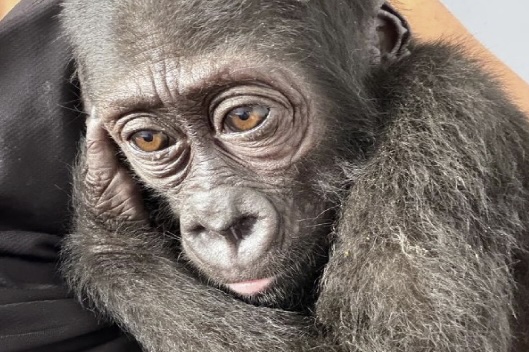
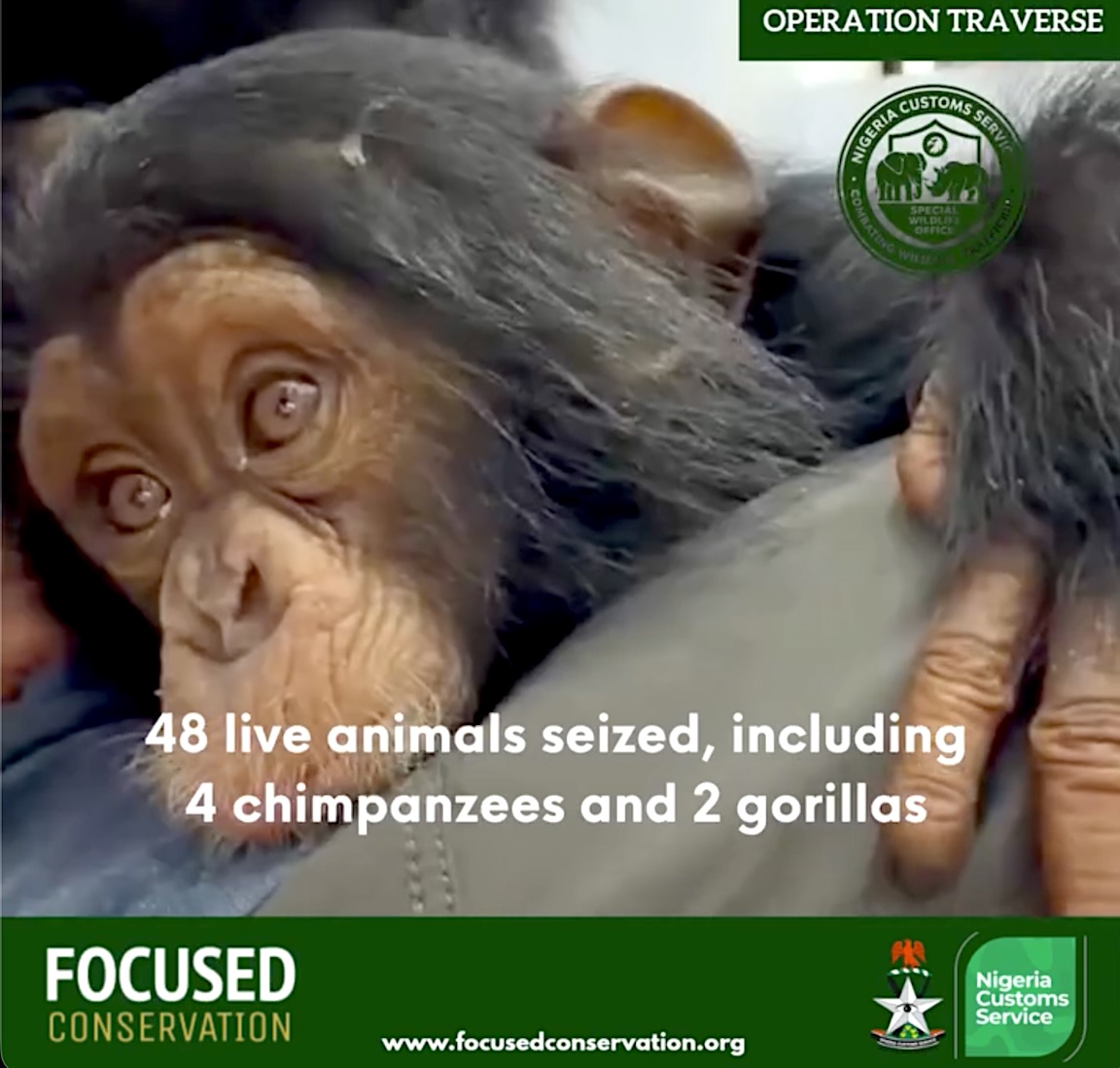
The investigation into the trafficking of the 48 animals continues, while the rescued wildlife remains under care. For the six chimpanzees and gorillas, the immediate priority is survival, stabilization and recovery. For investigators, the priority is determining how the animals entered the trafficking chain and identifying those responsible and for the Nigeria Customs Service, the Special Wildlife Office, Focused Conservation and their partners. Operation Traverse provides another example of what can be achieved when intelligence, frontline enforcement, specialized investigation, conservation expertise and animal welfare are brought together.
Focused Conservation has started a fund-raising drive to enable them and their partners Aspinall Wildlife Trust and The Last Animals Foundation to help give the rescued animals emergency care and possibly future rewilding for some.
India
The last case involves five young orangutans, which are not native to India, mysteriously found in a casuarina plantation in the Udayapur-Talsari forest area of Balasore district of India. After being alerted, a patrolling team of the Forest Department rushed to the spot and rescued them.
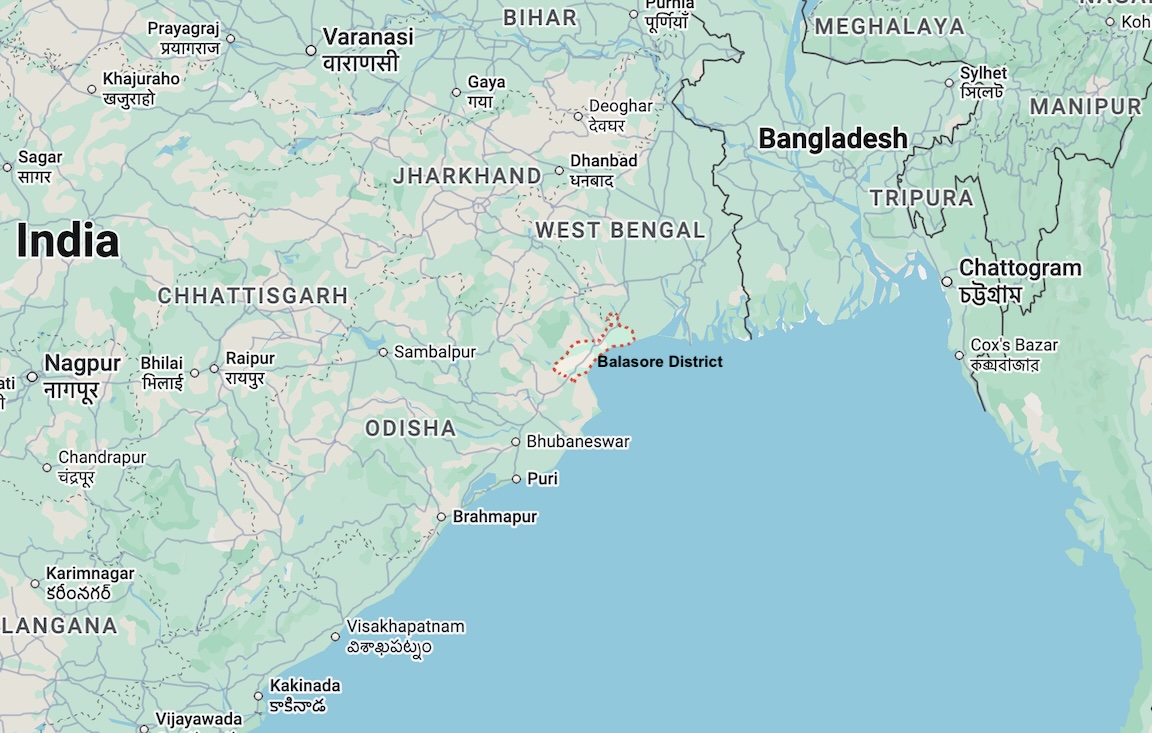
According to Regional Chief Conservator of Forests Prakash Chand Gogineni, the orangutans probably ended up in the Odisha forest following a botched trafficking operation.
Odisha Forest and Environment Minister Ganesh Ram Singhkhuntia said a thorough investigation involving multiple agencies had been initiated into what appeared to be a case of wildlife smuggling.
“The five orangutans, including three males and two females, have been quarantined after being brought to Nandankanan Zoological Park. The park authorities are taking care of the animals in accordance with prescribed protocols and in consultation with central agencies,” Mr. Singhkhuntia said.
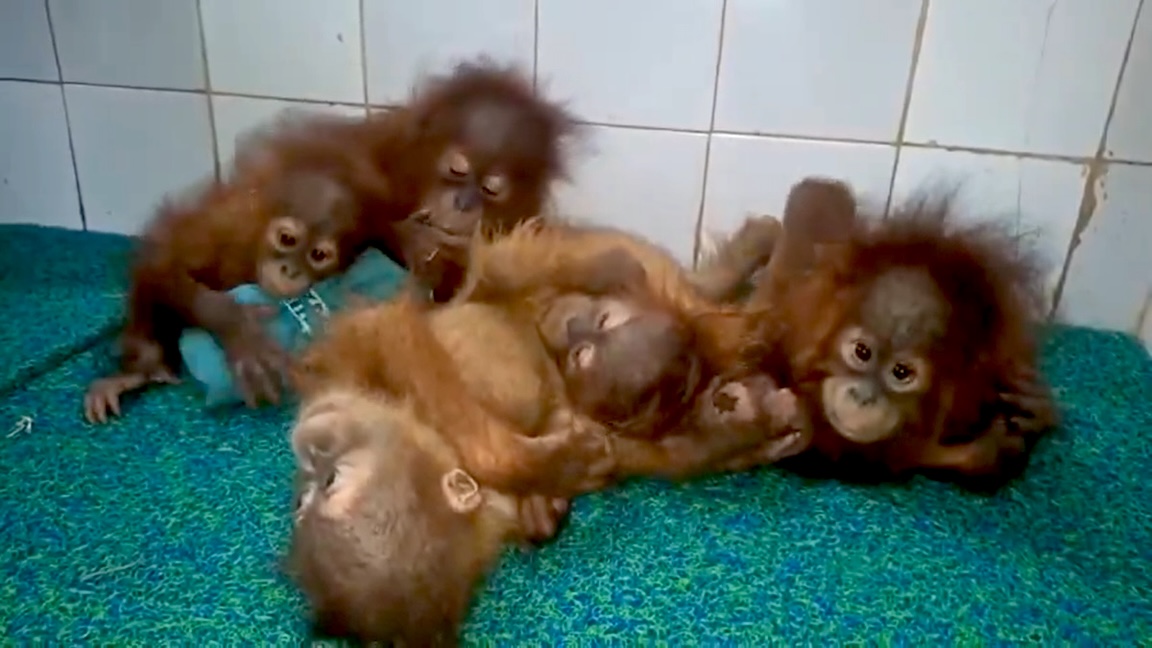
The Minister said a decision on whether the orangutans would eventually be kept on public display would be taken only after obtaining permission from the Central Zoo Authority.
“We have sent a team to Balasore to initiate a probe. Forest officials have been very cooperative. We will also hold discussions on the circumstances under which these orangutans were spotted,” said Kanwar Vishal Singh, Deputy Inspector General of Police.
A campaign has started by conservationists who wish that the orangutans be returned to Indonesia, assuming that they most likely originated from there, and be placed in a sanctuary or even rewilded.
Nandankanan Zoological Park has prior experience in caring for orangutans. The zoo had housed an orangutan for nearly 16 years in an enclosure for public viewing. In 2019 its 41-year-old female orangutan named Bini, died of age-related and associated ailments. Bini had been brought to Nandankanan from Pune Zoo on November 20, 2003.
According to the Forest Department, cases of orangutan trafficking are not new to India. Orangutans have previously been rescued in Maharashtra, Assam and Mizoram, all after 2020.
The police face the challenging task of tracing the route through which the animals may have been transported — whether by sea or land — and identifying those involved in the suspected trafficking network.
“The investigation is at a very nascent stage. We do not want to speculate on any clues or the involvement of any poachers,” Mr. Singh, Deputy Inspector General of Police, said.
Changing illegal wildlife demand hotspots
From approximately 2000 to 2020, the live exotic pet and commercial zoo hotspots were China, Southeast Asia and the Persian Gulf countries. After 2020, India has increasingly become a destination for a variety of live wild animals, with much of the trade being illegal. The three chimpanzees seized in Cairo and the five orangutans abandoned in Odisha are examples of this.

